What the Enneagram is, and how this map works
Meet the nine types and the ideas that show up in the profiles. Start with the overview, then go deeper where it helps.
What is a type?
The Enneagram describes nine personality patterns. Each type gathers motives, habits of attention, and ways of reacting. The descriptions can help you compare those patterns with your own experience.
No type is better or worse. The numbering is not a ranking. Each type is unique. Nobody is a type: a person is in a type.
Essence and personality are ideas used in this teaching to think about what we value and the habits we built. The test does not measure those ideas and it does not offer a diagnosis.
Explore the numbers to meet the types and how they relate.
Triads
The nine types are grouped into three centers: body, heart, and head. The groups help you study the motives described in the Enneagram.
Body triad
Body, vital force, survival. The background issue is anger: how it comes out, disappears, or turns into a pressure cooker.
Present · Anger · seeks Autonomy
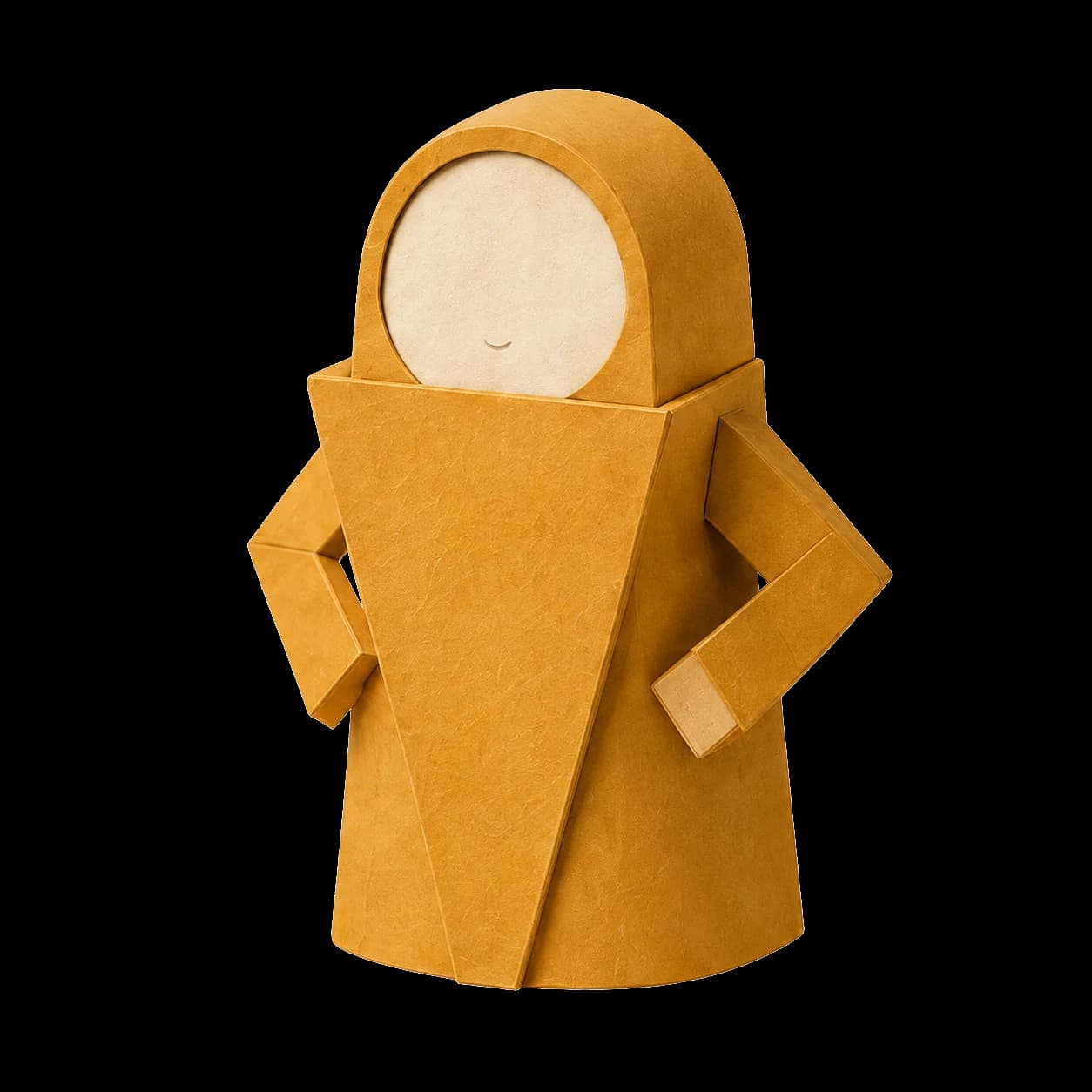
- 8 ChallengerEnergy outward, against the environment.
- 9 PeacemakerEnergy outward and inward, ambivalent.
- 1 ReformerEnergy inward, against inner impulses.
Heart triad
Who we are, how we are. The background issue is shame: how a self gets built so it might deserve love.
Past · Shame · seeks Attention
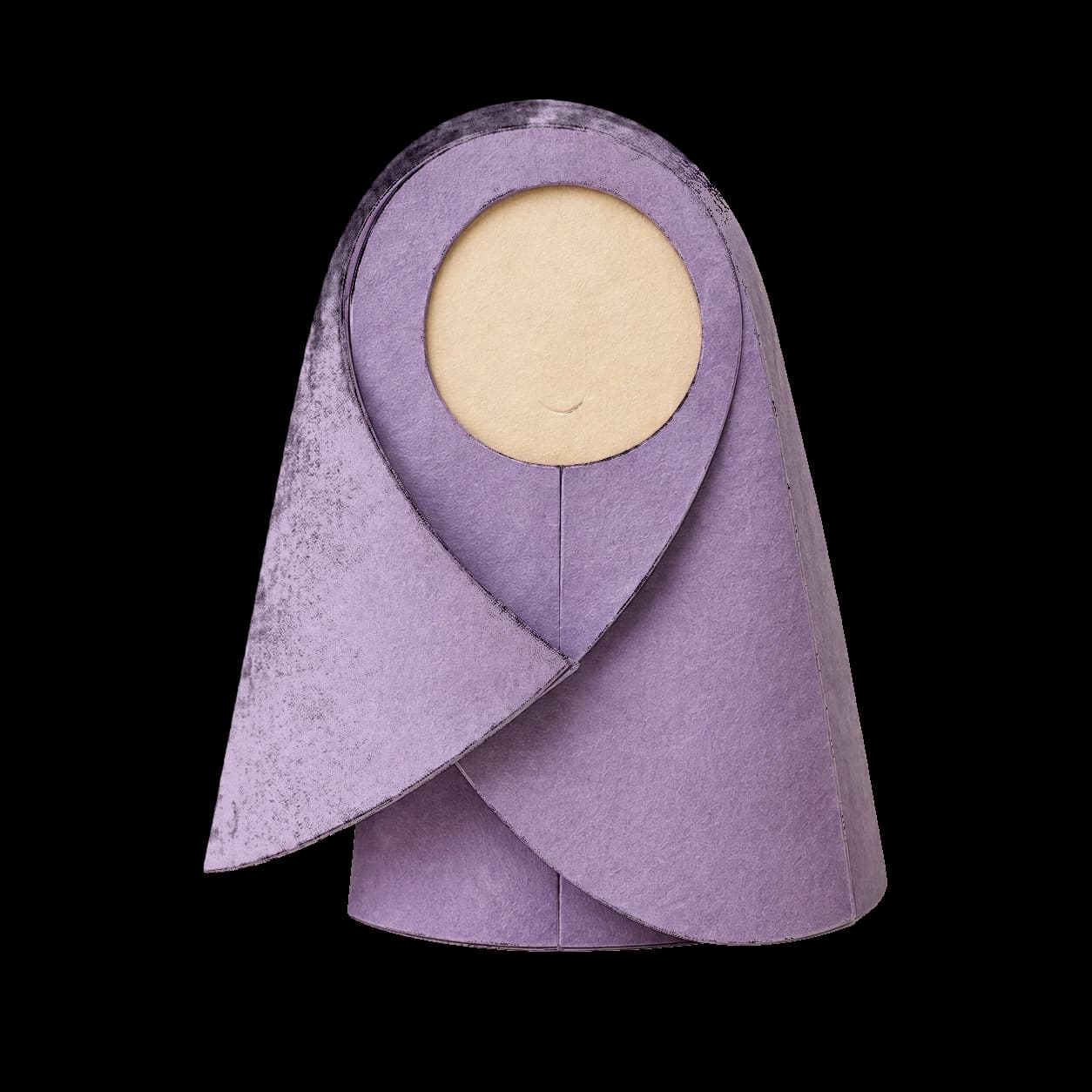
- 2 HelperSelf-image presented outward, to others.
- 3 AchieverSelf-image for self and for others.
- 4 IndividualistSelf-image inward, for oneself.
Head triad
Inner support and orientation. The background issue is fear: how danger is anticipated, avoided, or dissolved.
Future · Fear · seeks Safety
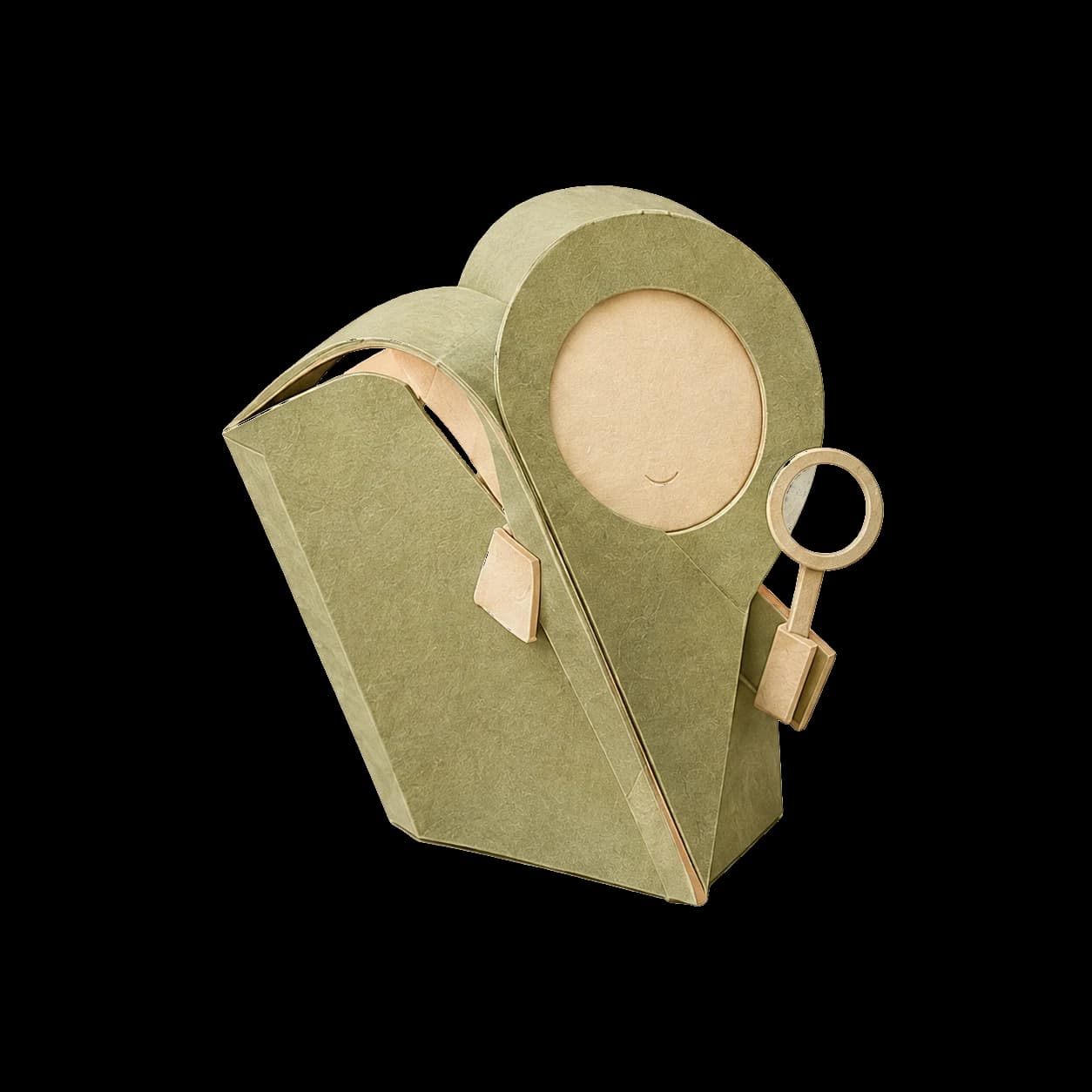
- 5 InvestigatorFlees inward, fear of the outer world.
- 6 LoyalistFlees inward and outward, fear of both worlds.
- 7 EnthusiastFlees outward, fear of the inner world.
Competence. Types 1, 3, 5. They solve by doing it right, by the result, or by analysis.
Positive outlook. Types 2, 7, 9. They soften conflict with help, possibility, or peace.
Reactive. Types 4, 6, 8. They answer with emotional intensity, vigilance, or force.
Compliant. Types 1, 2, 6. They orient by the other person, the rule, or authority.
Assertive. Types 3, 7, 8. They go first: goal, pleasure, or impact.
Withdrawn. Types 4, 5, 9. They recede into interiority, the mind, or comfort.
Instinctual variants
In this Enneagram teaching, the variants describe different priorities around self-preservation, pairing, and life in a group. They are a way to look at differences between people who share a type. This questionnaire does not score instinctual variants.
Self-preservation
Survival · Mother · I / I
The instinct to stay alive was the most distorted in childhood. Attention on food, shelter, health, money, rhythm, and supply. Crisis shows up when they cannot provide for themselves.
In Palmer’s reading, attention organizes around the safety of the organism. The other person comes after “am I safe?”
Sexual
Relationship · attunement · Siblings · I / You
The instinct of bond to one specific other was the most marked. Attention on intensity, choice, attraction, and “who is with me.” Passion, possessiveness, and surrender travel together.
Palmer describes this focus as an attunement radar: the person reads the field between two, not the herd and not the stockpile.
Social
Belonging · group · Father · I / We
The instinct of place in the group was the most marked. Attention on loyalty, hierarchy, collective justice, and “where do I fit.” Guard drops only when they sense respect.
The social gaze reads status, belonging, and the climate of the room. The silent question is “am I one of us?”
Levels of development
Levels of development, in the Riso and Hudson lineage (and in the UFRGS/NEH cut), show movement inside the same type. A person oscillates between clearer and narrower bands, tending toward an equilibrium. It is not a ranking among types.
Healthy band
1. Release
Essence appears. The type becomes an instrument, not a prison.
2. Capacity
Psychological talent in full use, with empathy and choice.
3. Social value
The gift of the type serves the surroundings without needing a stage.
Average band
4. Imbalance
Identification with the type starts to harden.
5. Interpersonal control
The other person becomes a piece in the ego’s strategy.
6. Overcompensation
More of the same: the type’s remedy becomes an overdose.
Unhealthy band
7. Violation
Limits fall. The defense hurts whoever is near, and the self.
8. Compulsion
The pattern runs on its own, with little access to choice.
9. Pathological destruction
Collapse of structure. Here the map asks for clinical help, not only study.
Wings
Wings are the two neighboring types on the circle. In this teaching, their traits can fill out a type description. When a single type has the highest score, the result compares the neighbors. A tie between them does not prove those influences are balanced in your life.
- 1 Reformer
9 The Idealist · 2 The Advocate
- 2 Helper
1 The Server · 3 The Host
- 3 Achiever
2 The Promoter · 4 The Professional
- 4 Individualist
3 The Aristocrat · 5 The Bohemian
- 5 Investigator
4 The Iconoclast · 6 The Problem-solver
- 6 Loyalist
5 The Defender · 7 The Buddy
- 7 Enthusiast
6 The Entertainer · 8 The Realist
- 8 Challenger
7 The Independent · 9 The Bear
- 9 Peacemaker
8 The Counselor · 1 The Dreamer
Arrows
Integration (growth) moves against the classic arrows of the symbol. Disintegration (stress) follows the arrows. Riso and Hudson describe this as movement toward the security type or the stress type. It is not fate. It is a cut of the day's mood and of the range the person is in.
1 Reformer
Integration 7. Tries other realities without guilt. Less dogmatic, more natural and open. Failing stops being the end of the world.
Stress 4. The weight of the world turns into fantasy, shame, and melancholy. May drop principles and justify excess.
2 Helper
Integration 4. Connects to their own feelings without censoring them. Sees that love is not a currency. Expresses themselves as unique.
Stress 8. Under the velvet glove, the iron fist. Charges, slanders, and attacks when the other doesn’t react as hoped.
3 Achiever
Integration 6. Commits to people and principles, drops the chameleon mask, and earns real self-esteem.
Stress 9. Cuts out under the stress of always being the best. Neglects, leaves the scene, and occupies themselves with the secondary.
4 Individualist
Integration 1. Drops into the real world and looks for the right way to do things. Stops waiting for a savior and handles their own anguish.
Stress 2. Puts the solution in the other person. Complains, idealizes who will save them, and contaminates the room with the crisis.
5 Investigator
Integration 8. Gets assertive, leaves slow analysis, claims space, and goes from the brain to the body. Faces the world.
Stress 7. Isolation isn’t enough. They stir, do too much, chase stimulus, and nothing satisfies — including odd interests and habits.
6 Loyalist
Integration 9. Drops the fear, trusts themselves, connects to the body center. Panic becomes quiet.
Stress 3. Hides fear under a hyperactive persona. Multiplies commitments, competes, and hostilizes hidden forces.
7 Enthusiast
Integration 5. Cultivates reserve and observation. Tastes the experience instead of collecting surfaces.
Stress 1. Trades joy for cold seriousness. Criticizes, loses patience with other people’s incompetence, and looks for the flaw in everything.
8 Challenger
Integration 2. Pays attention to other people’s needs and uses force to help, in a loyal, friendly way.
Stress 5. Withdraws to analyze enemies and come back at full force. “I’ll go, but I’ll take as many as I can with me.”
9 Peacemaker
Integration 3. Recognizes their own worth, asks for time and attention, steps into the world and engages with the present.
Stress 6. Becomes frightened, hesitant, and submissive. Drops self-sufficiency and suffers for nothing.
By Hermano Reis. See the reading references and the limits of the questionnaire.